
Carotid Artery Disease and PAD: When Atherosclerosis Affects Multiple Arteries

If you’ve been diagnosed with PAD, you already know that atherosclerosis — the buildup of plaque in your arteries — is affecting your legs. What you may not know is that the same disease is very likely affecting other arterial territories in your body, including the carotid arteries in your neck that supply blood to […]
How Long Do HAE Results Last? Durability, Follow-Up, and Long-Term Expectations

When patients consider HAE, one of the most important questions they ask is: how long will the results last? This is a fair and necessary question, and it deserves an honest, evidence-based answer, including an acknowledgment of what we know, what we’re still learning, and how durability compares to other hemorrhoid treatments. What the Published […]
Diabetic Foot Care: A Daily Prevention Checklist for PAD Patients

If you have both diabetes and peripheral artery disease, your feet deserve more attention than any other part of your body. That’s not an exaggeration: it’s a clinical reality grounded in data. The combination of diabetic neuropathy (nerve damage that reduces sensation) and PAD (reduced blood flow) creates the perfect storm for foot complications. You […]
What Is an ABI Test? A Patient’s Guide to Peripheral Artery Disease Screening
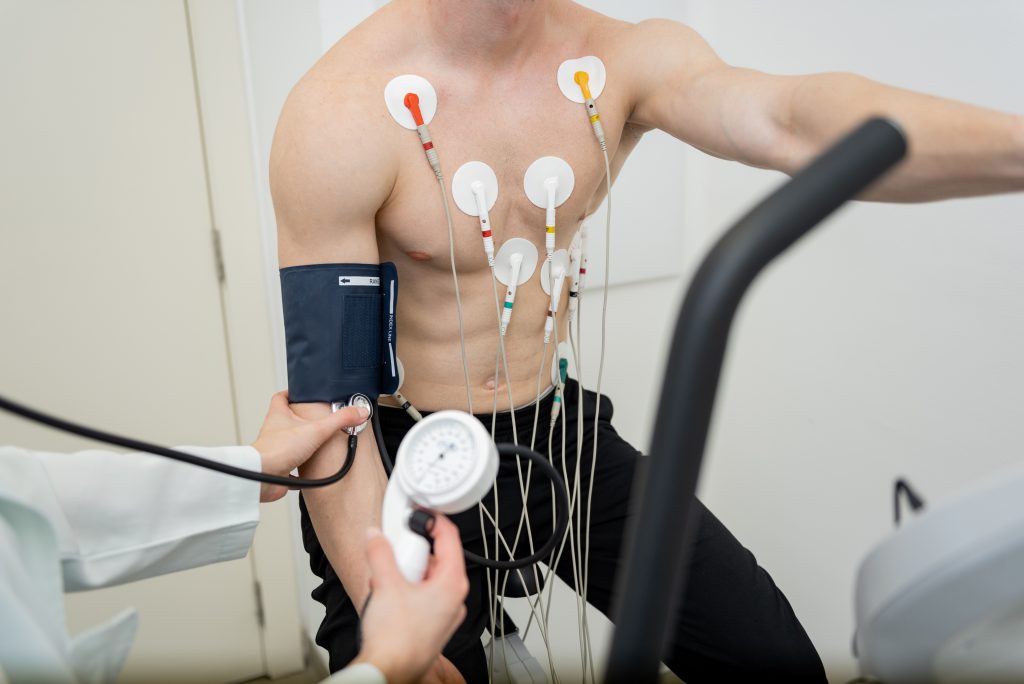
Of all the medical tests available for early disease detection, the ankle-brachial index (ABI) may be the simplest, most affordable, and most underutilized. It takes about 10 to 20 minutes, involves no needles or contrast dye, requires no preparation, and causes zero discomfort. Yet it can detect peripheral artery disease years before symptoms become limb-threatening, […]
Wound Care and PAD: Why Non-Healing Leg Wounds Need Vascular Evaluation

You’ve had a wound on your foot or lower leg for weeks, maybe months. You’ve been going to wound care appointments faithfully. The nurse changes the dressing, debrids dead tissue, applies the appropriate ointment. You’ve taken the antibiotics. You’ve stayed off the foot as much as possible. And still, the wound looks essentially the same […]
Venous Disease vs. Arterial Disease: Understanding the Difference and Getting the Right Diagnosis

“Something is wrong with the circulation in my legs.” That’s how many patients describe their symptoms when they first come to a vascular specialist. And it’s a reasonable starting point, but the next question is the one that determines your entire treatment plan: is it an artery problem, a vein problem, or both? This distinction […]
Understanding Your PAD Medications: Statins, Antiplatelets, and Cilostazol Explained

If you’ve been diagnosed with peripheral artery disease, you may have left your doctor’s office with several new prescriptions and a set of instructions that, if we’re being honest, probably weren’t fully explained. A statin. Maybe a new blood thinner. Something called cilostazol. And an instruction to keep taking your aspirin. This is one of […]
The Connection Between PAD and Heart Disease: Why Your Leg Pain Is a Cardiovascular Warning

If you have been diagnosed with peripheral artery disease, your doctor may have focused the conversation on your legs: walking distance, claudication symptoms, circulation in your feet. That is important. But there is a bigger picture that too often goes unspoken, and it may be the most critical thing you learn about your condition. PAD […]
Internal vs. External Hemorrhoids: Why the Difference Changes Your Treatment

“Hemorrhoids” is a single word, but it describes two meaningfully different conditions, and the distinction matters more than most people realize. Whether your hemorrhoids are internal or external affects what symptoms you feel, how they’re graded, and which treatments will actually help. For patients in Maryland, DC, and Northern Virginia trying to make sense of their options, understanding this […]
What to Expect Before, During, and After Your GAE Procedure

If you’re considering genicular artery embolization (GAE) for knee arthritis pain, one of the most reassuring things you can do is understand exactly what the day looks like. GAE is a minimally invasive, outpatient procedure. There’s no large incision, no hospital stay, and most patients are home the same day. Here’s a step-by-step walkthrough of […]